


posted 27th April 2026

There is a constant hum in the background now.
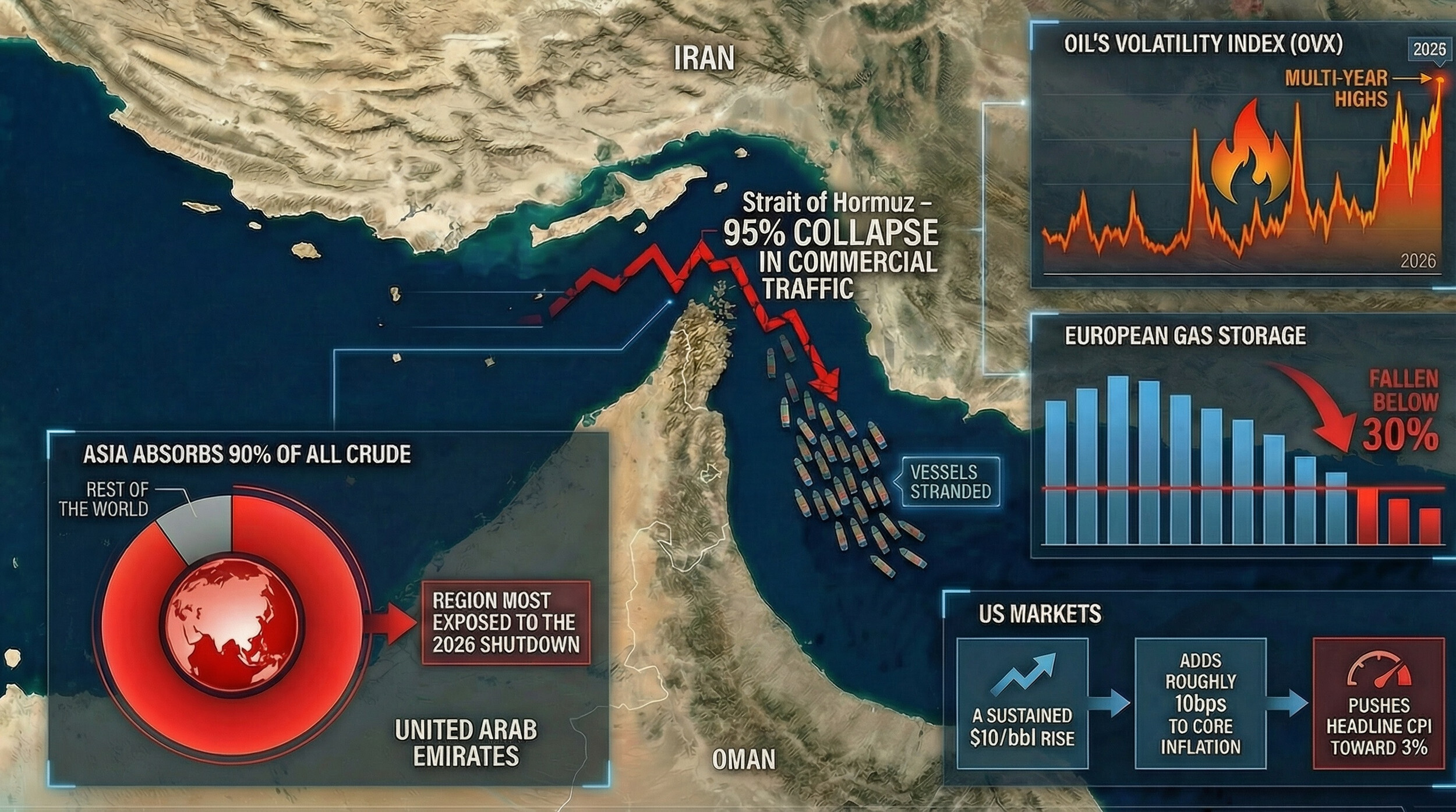
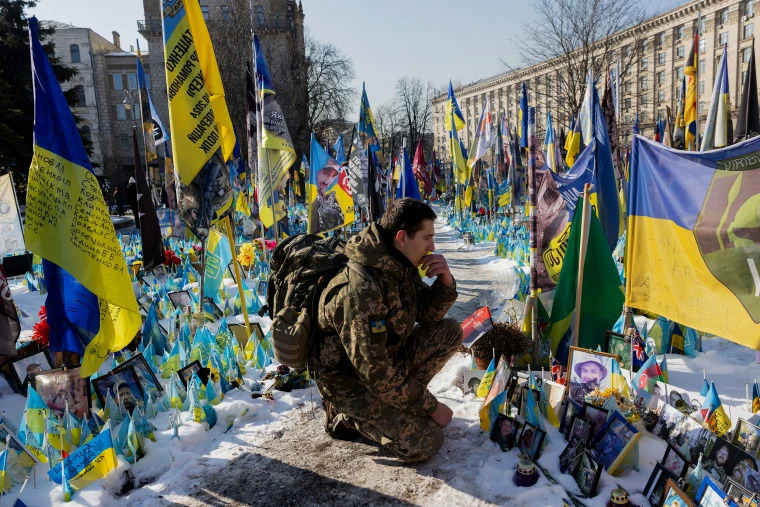
Conflict. Instability. Economic pressure. A relentless news cycle that rarely offers resolution — only escalation.
Ukraine. The Middle East. Cyber threats. Infrastructure fragility.
It doesn’t stop.
And while most organisations won’t say it openly, the impact is real:
- Leaders are distracted
- Teams are fatigued
- Priorities drift
- Decision-making becomes reactive
Not because organisations are failing.
But because the environment is deliberately overwhelming.
The Illusion of Awareness
There is a growing belief that being constantly informed equals being prepared.
It doesn’t.
Consuming more information does not improve resilience.
In many cases, it does the opposite:
- It fragments attention
- It shortens decision cycles
- It creates a sense of urgency where none is required
This leads to organisational anxiety disguised as vigilance.
Resilience is Not Built Through Reaction
If your organisation is constantly reacting to the latest headline, you are not resilient.
You are exposed.
Resilience is not about speed of reaction.
It is about consistency of response.
That requires structure.

What Resilient Organisations Do Differently
They do not try to solve the world.
They focus on managing their part of it:
1. They Reduce Complexity Ruthlessly
Instead of asking:
“What could happen globally?”
They ask:
“What would actually impact us?”
And they plan accordingly.
2. They Break Problems Down
Large, abstract risks create paralysis.
Resilient organisations translate them into:
- Specific risks
- Defined actions
- Named owners
If it cannot be broken down, it cannot be managed.
3. They Prioritise Relentlessly
Everything cannot be urgent.
Everything cannot be critical.
Organisations that attempt to treat all risks equally end up failing at the ones that matter most.
4. They Maintain Structure Under Pressure
Noise creates a temptation to shortcut process.
Resilient organisations do the opposite.
They double down on:
- Governance
- Defined roles (strategic, tactical, operational)
- Clear escalation pathways
Because when the environment is unstable, structure becomes more important, not less.
5. They Build Depth — Not Dependency
If your resilience relies on one individual, you do not have resilience.
You have a vulnerability.
True resilience is:
- Team-based
- Embedded
- Repeatable


The Leadership Challenge
Leaders are not expected to solve global instability. But they are expected to:
- Filter noise from signal
- Maintain clarity of direction
- Prevent distraction from becoming dysfunction
- Create confidence in uncertain conditions
This is not about optimism. It is about control.
A More Honest Question
Most organisations ask:
“What should we do about global uncertainty?”
A better question is:
“Are we structured to operate effectively regardless of it?”
Because uncertainty is not going away.
Conclusion
You cannot switch off the world.
But you can choose not to let it dictate how your organisation functions.
Resilience is not built by reacting to noise. It is built by:
- Simplifying complexity
- Structuring response
- Maintaining discipline
- Focusing on what actually matters
In a world that is constantly demanding your attention, resilience is the ability to decide what deserves it.