

posted 24th April 2026
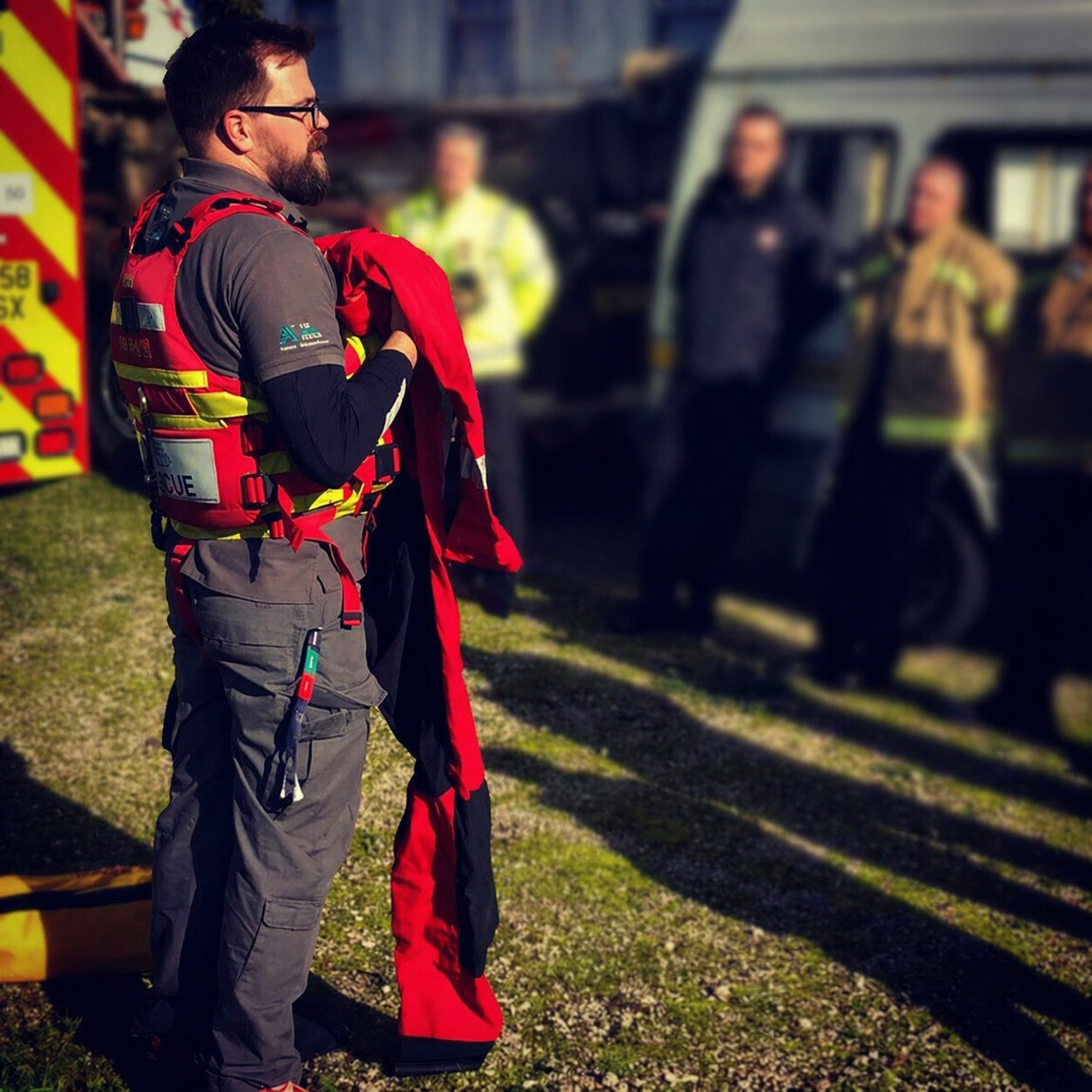
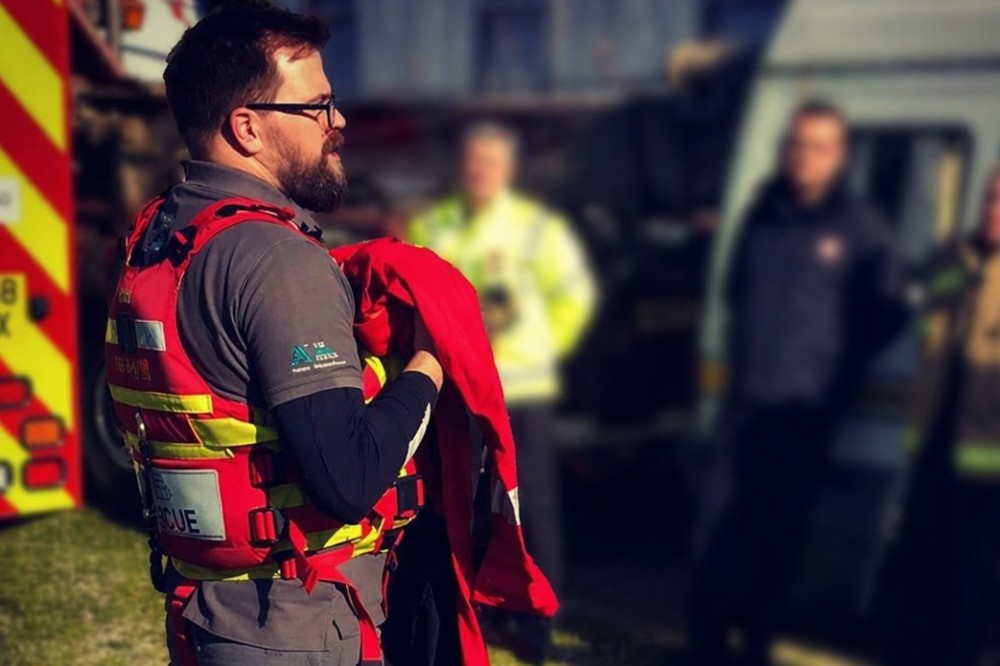
Applied Resilience recently delivered the DEFRA-compliant Mod 1: Water and Flood Awareness Course to officers at Tandridge District Council, supporting staff who may be required to work in and around water as part of their roles, or who may be called upon to assist during flood incidents.
We would like to extend our thanks to the Tandridge team for hosting us and for their strong engagement throughout what proved to be a highly constructive and practical day.
Supporting Safe Working in Flood Conditions
For many local authority staff, involvement in flood response is not a routine activity. However, during incidents, officers may be required to undertake tasks such as:
• Welfare visits
• Door knocking and community engagement
• Supporting on-the-ground multi-agency response activity
These activities often take place in challenging and unfamiliar environments. This training is therefore focused on ensuring staff understand the risks associated with water and flooded areas, and—critically—how to operate safely within them.
The emphasis is not on turning staff into water rescue specialists, but on enabling them to recognise hazards, make safe decisions, and avoid becoming part of the problem.
Course Content
The session is designed to give staff the confidence to work safely around water, focusing on realistic scenarios they may encounter in their roles.
Participants covered:
• How to recognise unsafe water conditions—including depth, flow, contamination, hidden hazards, and unstable ground
• Why floodwater can be more dangerous than it appears, and how conditions can change rapidly
• The importance of basic personal safety and situational awareness, particularly when working in small teams or alone
• The organisation of a typical water and flood search and rescue scene
• The range of rescue options available, from low- to higher-risk approaches
• Developing an understanding of the different types of Personal Protective Equipment (PPE), including their appropriate use, benefits, and limitations in water and flood environments
• What to do in the event of unexpected entry into water
Practical elements focused on simple, safe interventions:
• Applying the “Shout, Reach, Throw” principles to avoid entering the water
• Hands-on use of throw bags, including when and how to deploy them safely
• Recognising when a situation requires specialist water rescue support, and how to escalate appropriately
• Understanding how a flood response scene operates, and the role of local authority staff within a multi-agency setting
Overall, the course reinforces a clear message: prioritise personal safety, operate within your role, support colleagues, and make informed decisions under pressure.
Practical and Relevant Learning
Feedback from the Tandridge team was very positive, with participants highlighting that the training was useful, engaging, and directly applicable to their roles. A consistent theme was that everyone took something away from the session, regardless of prior experience.
Certified and Aligned to National Standards
The course is certificated by the Royal Life Saving Society (RLSS UK) and aligns with DEFRA national standards for flood rescue, providing assurance that organisations are equipping staff with recognised awareness-level training.
Supporting Local Authority Preparedness
As a public-service mutual delivering statutory emergency planning and resilience functions, Applied Resilience focuses on practical capability building—ensuring that staff are prepared, informed, and able to operate safely when required.
Training such as Mod 1 supports councils and partners to:
• Improve awareness of water-related risks
• Enable safe participation in flood response activities
• Strengthen multi-agency working at the operational level
We look forward to continuing our work with Tandridge District Council and other partners across the Local Resilience Forum.
If your organisation would benefit from DEFRA-compliant water and flood awareness training, please get in touch to discuss how we can support your teams.