

posted 22nd April 2026
In recent weeks, many of us will have seen — or experienced first-hand — a familiar pattern.
Fuel tanks filled earlier than usual. Cupboards stocked more heavily. Conversations shaped by uncertainty: global instability, conflict, economic pressure, and the unpredictable nature of modern risk.
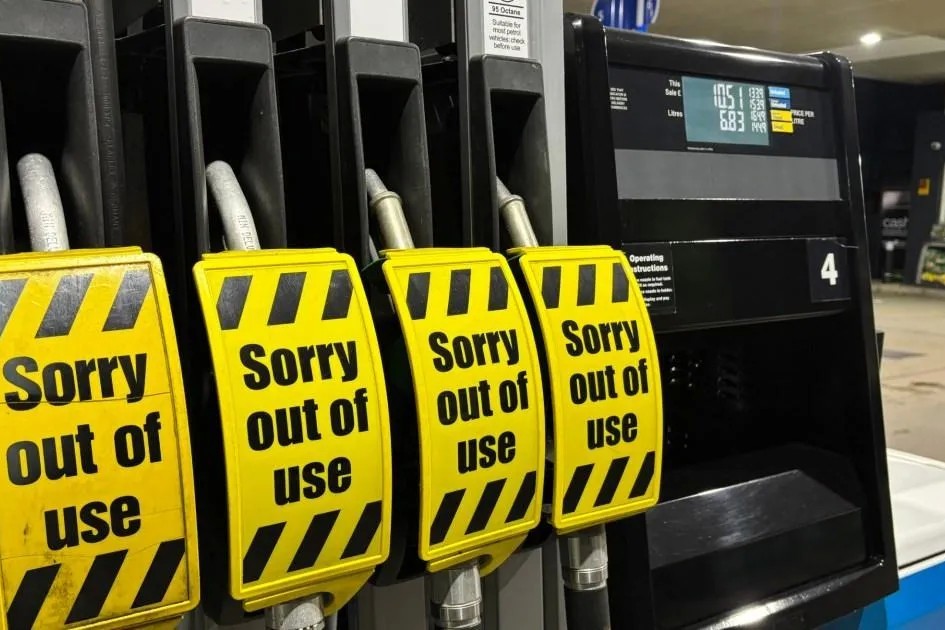
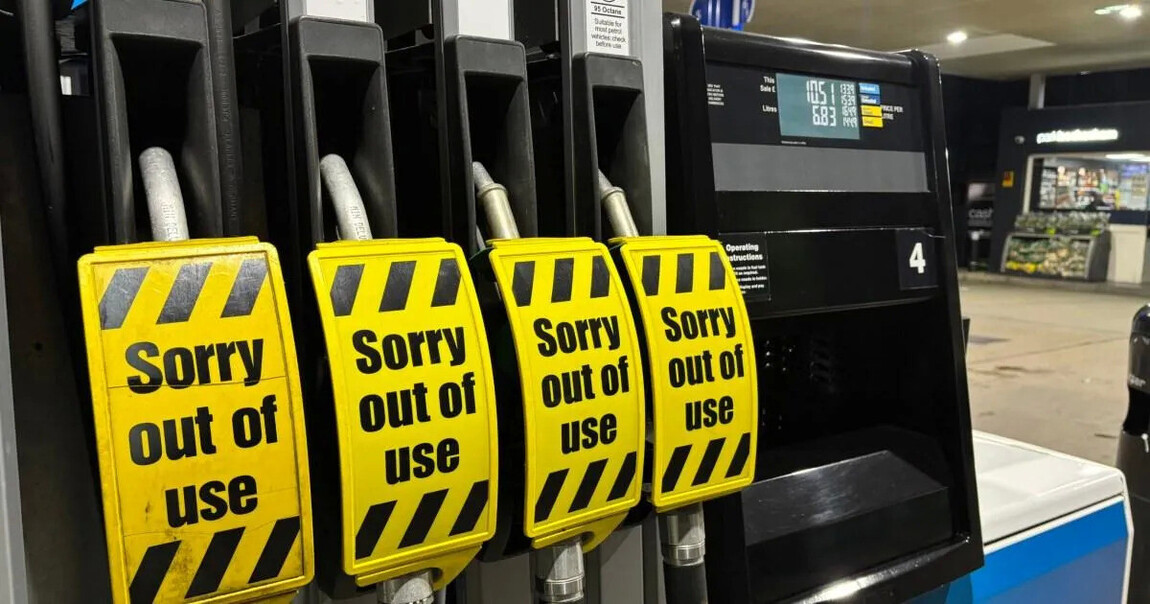
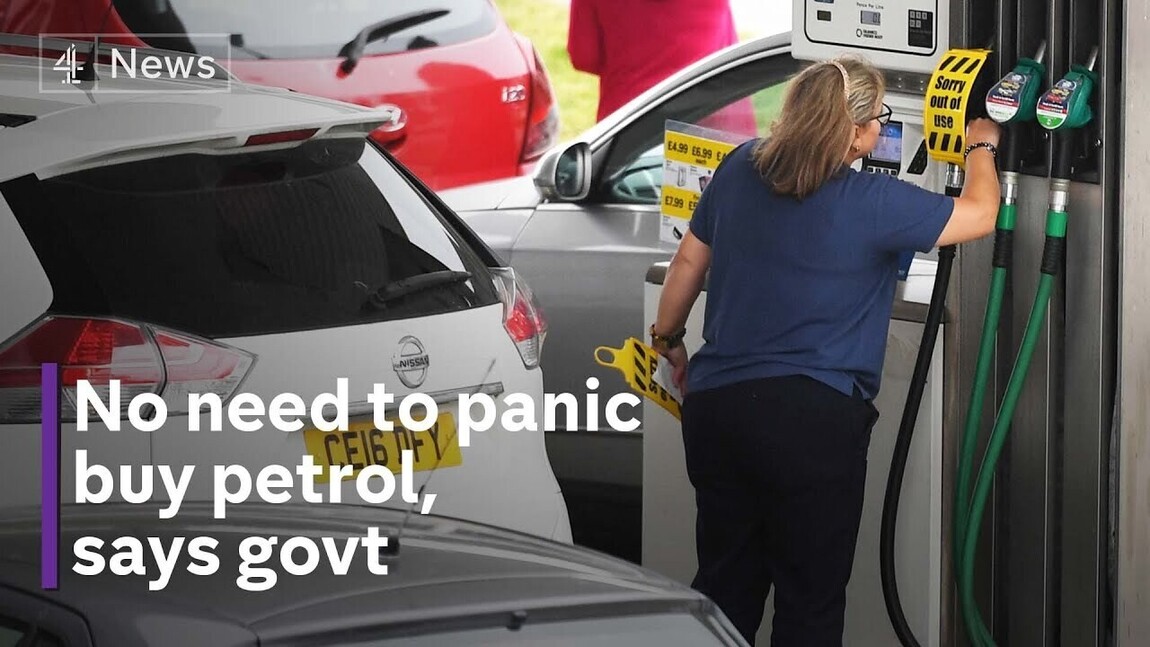
For some, it is subtle. For others, more visible — queues at petrol stations, shelves temporarily emptied, or households quietly increasing their level of preparedness.
At one level, this is entirely human.
When uncertainty rises, people seek control.
Stockpiling petrol or food is not irrational behaviour — it is a response to perceived disruption, a way of managing risk in an environment where information is incomplete and outcomes are unclear.
But what is often less discussed is this:
The same behaviours, pressures, and decision-making dynamics are playing out within organisations.
Uncertainty Doesn’t Stay at Home — It Enters the Organisation
The drivers behind individual behaviour — uncertainty, lack of clarity, perceived risk — are identical to those faced by organisations.
Global conflict, geopolitical tension, cyber threats, infrastructure fragility, and climate-related events all contribute to a shared operating environment defined by volatility.
Within organisations, this manifests as:
- Increased concern about supply chain continuity
- Questions over energy resilience and cost volatility
- Heightened awareness of cyber risk and infrastructure dependency
- Pressure on leadership to demonstrate preparedness and control
- Greater scrutiny from regulators, boards, and stakeholders
In short, the same instinct that leads individuals to fill a petrol tank early leads organisations to ask:
“Are we ready if something happens?”
The Risk of Reactive Behaviour
While individual stockpiling may provide short-term reassurance, it is not a sustainable or effective long-term strategy.
The organisational equivalent is equally problematic:
- Ad hoc planning
- Reactive decision-making
- Over-reliance on a single individual or function
- Plans that exist on paper but are untested in practice
These approaches create false assurance — the appearance of preparedness without the underlying capability.
And in a crisis, that gap becomes immediately visible.
From Reaction to Resilience
True resilience is not about reacting faster — it is about being prepared in a structured, assured, and sustainable way.
Organisations that navigate uncertainty effectively tend to share common characteristics:
- Clarity of Roles and Responsibilities
Everyone understands their role during an incident — from senior leadership through to operational teams.
- Tested Plans, Not Just Documents
Emergency and business continuity plans are regularly exercised, validated, and improved.
- Integrated Decision-Making
Strategic, tactical, and operational levels are aligned, enabling coordinated and confident responses.
- Continuous Assurance
Resilience is not a one-off activity, but an ongoing process of review, testing, and improvement.
- Depth of Capability
Resilience does not rely on a single individual, but is embedded across teams and functions.
What This Means in Practice
Moving from reactive behaviour to structured resilience requires a shift in approach.
It means:
- Planning for disruption, not just responding to it
- Embedding resilience into governance and operations, not treating it as a standalone function
- Testing systems and leadership under realistic conditions, not relying on assumptions
- Ensuring 24/7 readiness, recognising that incidents do not follow working hours
Above all, it means recognising that resilience is not about eliminating risk — it is about maintaining control when risk materialises.
The Value of Assurance in an Uncertain World
In times of heightened uncertainty, reassurance matters.
For individuals, that may mean a full tank of fuel or a stocked cupboard.
For organisations, it must mean something more substantial:
- Confidence that statutory and regulatory obligations are met
- Assurance that leadership can make effective decisions under pressure
- Continuity of critical services, even in adverse conditions
- Trust from stakeholders, partners, and the communities they serve
Looking Ahead
The current global environment is unlikely to become less complex in the near term.
If anything, organisations should expect continued volatility — across geopolitical, economic, technological, and environmental domains.
The question, therefore, is not whether disruption will occur.
It is:
“Are we structured to manage it when it does?”
Because while individuals may respond to uncertainty by stockpiling, organisations must respond by building systems, capability, and assurance.
Conclusion
Recent behaviours serve as a useful reminder.
Uncertainty drives action — but the nature of that action determines outcomes.
Reactive measures may provide short-term comfort.
Structured resilience provides long-term control.